
What if the humble dandelion, derided as a "weed," can be a model for regenerating the entire Earth? It may be able to show us how to start organizing ourselves in a world that's increasingly descending into turmoil. The key structure to anchor us in this turmoil is the Bioregional Learning Center.
Now is the time to prepare for the storm that's coming and start work on a new world that wants to emerge. The Dandelion Strategy for 1,000 Bioregional Learning Centers (BLCs) is a main strategy in Living Flows, with the Ripple Strategy. It's inspired by nature, is practical, and the groundwork has already been laid over the last several years in the Design School for Regenerating Earth (part of Earth Regenerators). This isn't theory – it's already happening on the ground. In fact, throughout 2026, we've been journeying to different parts of the world to activate the dreams of Bioregional Earth.
Understanding Evolution
To understand the Dandelion Strategy, we first need to understand how living systems adapt and change.
Simply put, there are a diversity of traits in any population. The traits that are better adapted to a given environment will tend to increase and spread in future generations. Traits that are poorly adapted to the context will tend to decline – like green bugs in an environment where birds are partial to eating the green bugs.
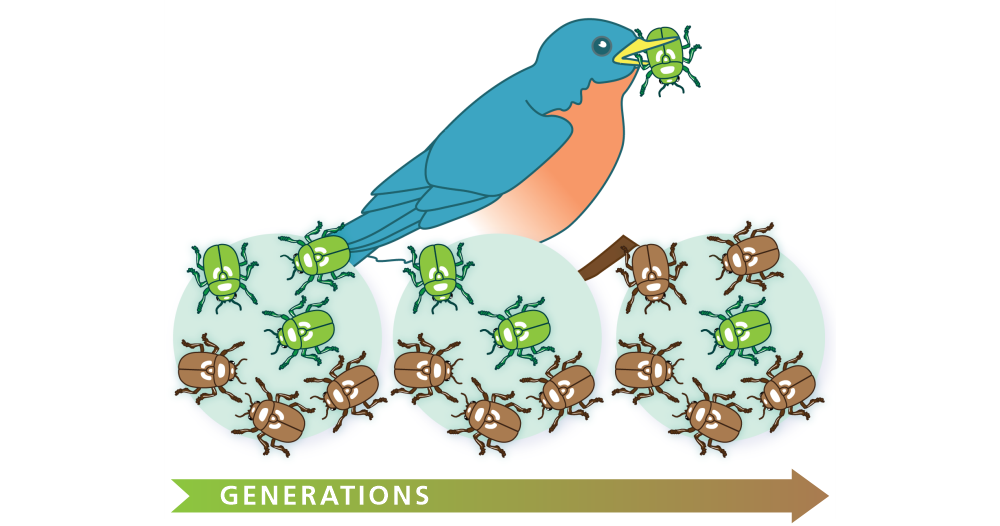
This is important because right now the human population of roughly 8 billion people has many diverse cultures. Some of these cultures – like those of Indigenous Peoples emphasizing ecological practices – are inherently regenerative, and thus well-adapted to support life in the future. Most cultures in the world today aren't regenerative. In fact, they're profoundly unsustainable and poorly adapted to the future.
Increasing ecological and social pressures are going to lead to rapid shrinking as unsustainable cultures die out. The question is a statistical one: What proportion of future cultural diversity will be regenerative, and how many regenerative cultures will there be after the population decline? If the unsustainable cultures die out, and take many regenerative cultures down with them, it's possible that the number goes to zero. This would mean all sustainable human cultures go away – and we arrive at the extinction of our species. That's a sobering thought.
So, how do we increase the number and diversity of regenerative cultures in the world – to hedge our risks in a collapsing world? The Dandelion Strategy for regenerating the Earth.
Learning from the Dandelion
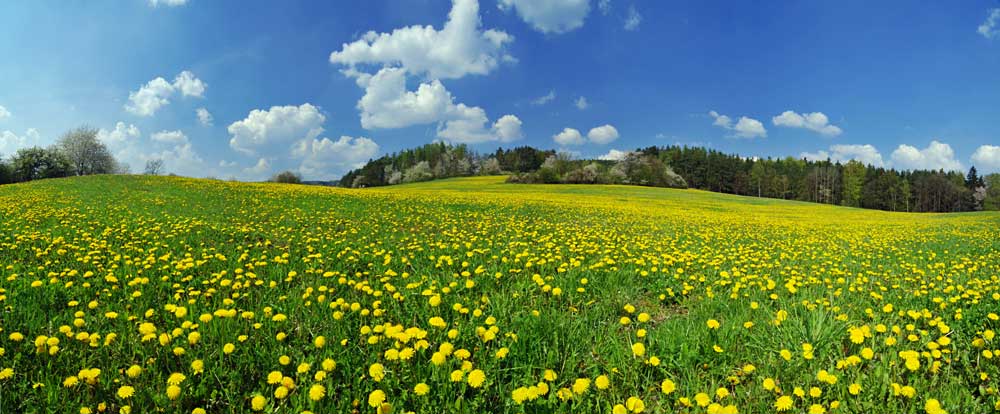
Dandelions – bright yellow flowers that look like little bursts of sunshine on the ground – symbolize persistence, resilience, and survival.
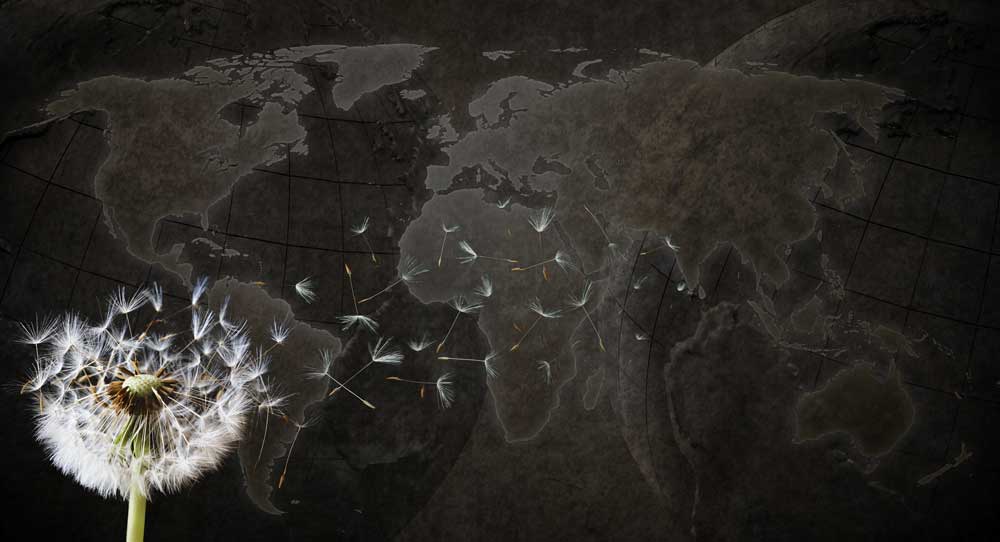
Today, you can find dandelions around the world; but this wasn't always the case. Originally native to Europe and Asia, they made their way to temperate regions as their roots took hold in North America, Australia, New Zealand, and even parts of the Middle East like Turkey. They can grow just about anywhere, from fields and forests to barren wastelands and burn sites.
Dandelions play an integral role in ecosystems. Because they're among the first to flower in the spring, they're an important early source of nourishment for many creatures including bees, beetles, butterflies, and even birds like sparrows and goldfinches. Humans also rely on them. Dandelions have been used through the ages as medicine to heal upset stomachs, asthma, and skin conditions. Their young leaves in salads are rich in vitamins and antioxidants, and their flowers can be turned into wine.
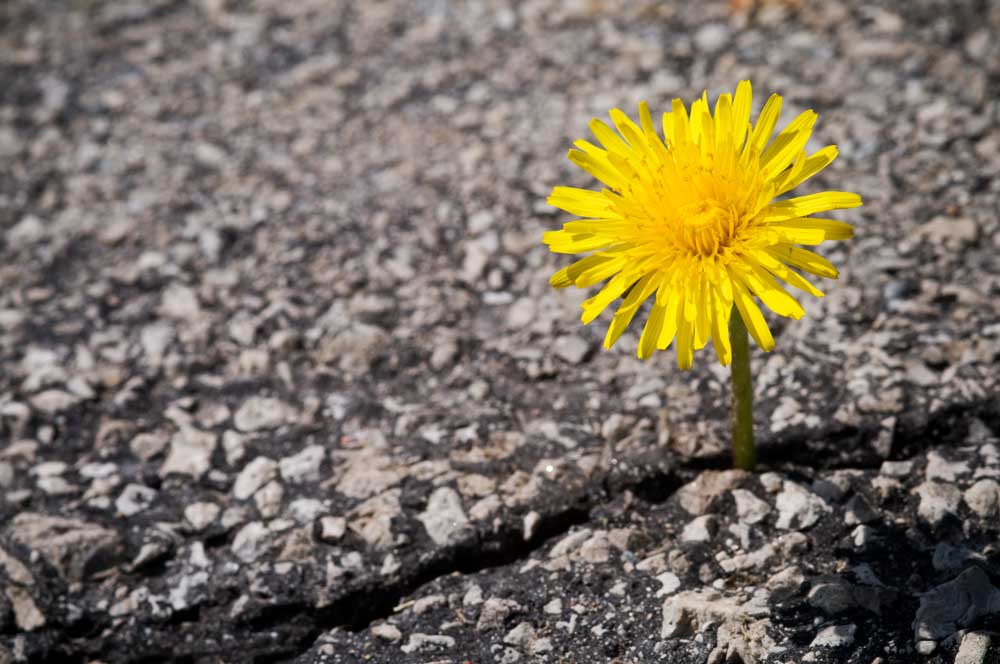
Dandelions can take root in places that seem little short of miraculous, even emerging from cracks in concrete. They're fast growers and have a long lifespan – the roots sink in deeper over the years, and can go down as far as 15 feet.
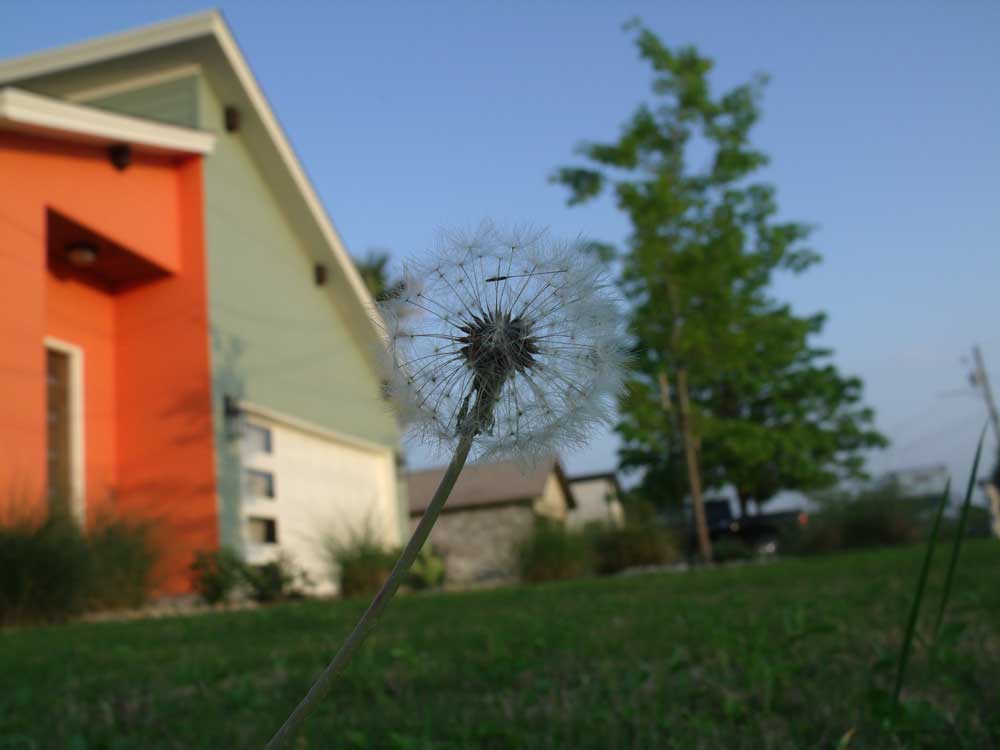
Dandelions spread primarily through wind-dispersed seeds. Their seeds are some of the best flyers in nature, catching the wind and drifting as far as 500 miles. The wind carries them to many different places. Some seeds land where they can germinate and take root. Others land, and will wither and die. The key insight for the Dandelion Strategy is that the dandelion has no way of knowing ahead of time which locations work better or how to find them. A dandelion simply pushes out a huge number of seeds that are carried out into the world. Dandelions propagate well because they take root in many unexpected places.
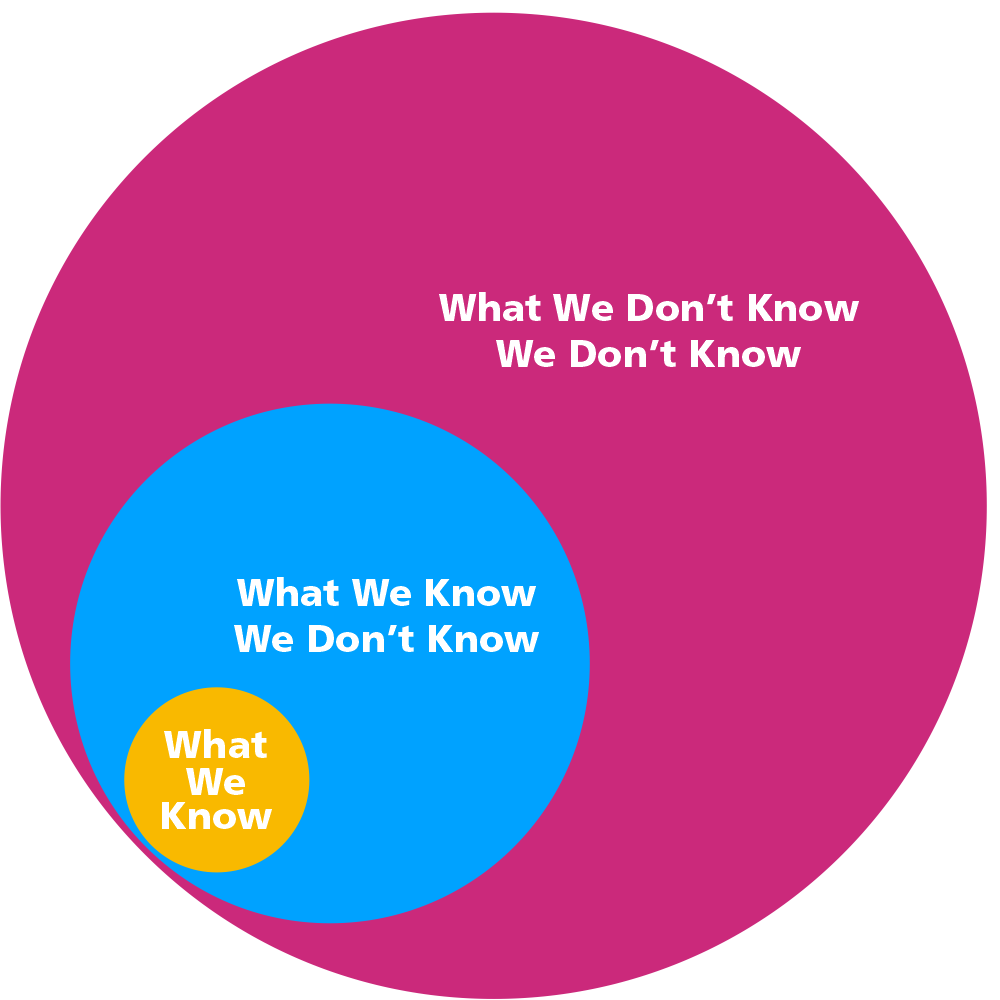
Translated to our planetary predicament, this means we can't know ahead of time which places will be resilient in the face of collapse. The world is just too complex for planning out where to establish regenerative cultural hubs. There are some things we know. There are more things we don't know, especially in an uncertain time. And there are even more things that we don't know we don't know as change happens more rapidly than we can find knowledge and meaning.
We must follow the winds of change and seed regenerative cultures in as many places as possible because we don't know which ones will prove viable to survive across the decades of this century. Some of them – retrospectively – will be resilient for reasons we never could have guessed. Collapse is happening and nothing is certain. Extreme weather events are more frequent. Social unrest is rising. Ignorance is strength when we know that we don't know which places will succeed. The smart thing to do is disperse seeds and let them fall where they may. Some will germinate and take root. Others will wither and die.
Seeding Regenerative Cultures Through BLCs
Through the Living Flows approach, we're creating bioregional funding ecosystems, which have as their anchors Bioregional Learning Centers (BLCs).
We follow in the footsteps of Donella Meadows, a lead author of Limits to Growth. After the report came out, she held ten years of meetings of The Balaton Group, made up of some of the best sustainability thinkers in the world. They concluded that the only viable strategy forward was to establish a planetary network of BLCs.
Out came a vision of a number of centers where information and models about resources and the environment are housed. There would need to be many of these centers, all over the world, each one responsible for a discrete bioregion… This will take years, but [the centers] have the potential to transform the way people all over the world think about their [life place] and their options.
— Donella Meadows, systems thinker
This is the vision Joe Brewer shared in The Design Pathway for Regenerating Earth and we're cultivating in the Design School for Regenerating Earth.
BLCs enable whole-system intelligence, where each bioregion comes to know itself in a holistic way and can guide itself toward ecopsychosocial wellbeing (individuals, communities, living systems).
Why BLCs?
A BLC is a real-world place (located in the geography of a given bioregion) that enables a different way of living in place (a shift in consciousness). It's an organized structure (both centralized and decentralized, as there may be many field sites associated with a main site) as well as a psychological and social space through which we (re)learn how to live in our life place (bioregion). It brings together the grassroots with local leaders. It welcomes all – across cultures, ages, socioeconomic backgrounds – and embodies "home" in the fullest human and more-than-human meaning of that word. A BLC anchors, informs, connects, and inspires.
In a time when there are increasing urgent and immediate needs – like damages and recovery efforts from severe weather events like a tornado, hurricane, or ice storm; people and other living creatures who are sick from more prevalent diseases; people who don't have enough to eat or a place to shelter – why should creating and funding a BLC be a priority?
A BLC can certainly help with responses to immediate needs in the face of a crisis. But a BLC is the one place in a fragmented, siloed world that, at its core, takes a big-picture view. It operates at a higher level as a Rapid Regeneration Responder (RRR) to create long-term translocal robustness (local connected into global). As global systems unravel and we struggle with wellbeing, meaning, direction, and what "makes sense," a BLC can help us focus in on what really matters. A BLC answers the big question, "How do we live in this place now?" As we regenerate our bioregion, we do our part toward regenerating the entire planet. As BLCs in various bioregions share learning and support each other, we create translocal robustness for a new world.
In Bioregional Learning Centers, there must be ways to retain and pass on practical knowledge about native species, understanding how to build homes in the local climate using locally-sourced materials, comprehension of what it means to have sustainable food systems in a particular place, complexity thinking, prosocial skills, and incorporation of the performance arts that cultivate sacred relationships with local ecologies in respectful and persistent ways… Bioregional Learning Centers around the world also need to learn from each other.
— Joe Brewer, Co-Founder, Design School for Regenerating Earth
Whatever complex landscape you're living in, there's a need for humans to organize all their learnings and knowledge about the history and the evolution of that place. A BLC integrates physical, ecological, and cultural/spiritual considerations. It has inward-facing aspects (e.g. community building, trauma healing, land skills) and outward-facing aspects (e.g. sharing knowledge with other bioregions, dreaming into a future). The BLC is the literal and figurative entry point for everyone to learn about a place and how to care for it – not only people who live in the place, but also newcomers and visitors. It organizes a learning ecosystem that coherently integrates everything taking place in a bioregion within larger planetary processes.
So, BLCs are the enabling structures for humans to live into the story of Bioregional Earth. And a BLC in a given bioregion is also the anchor structure for (re)learning how to live in and regenerate that place. It brings together education, research, community building, regenerative practices and, most important of all, storytelling in the mythic, intergenerational sense. Why are we here and what do we do here?
You can get an introduction to BLCs in the short video What is a Bioregional Learning Center? BLCs are emerging around the world, like The Bioregional Learning Centre in the UK, Théra in France, and the Greater Tkaronto Bioregion (Canada) Bioregional Learning Center (which is leading the Living Flows Ripple Strategy).
We're supporting the emergence of BLCs through a kind of apprenticeship process with the land itself. It starts with the question What's a Bioregion? and follows a design pathway to create translocal robustness.
We see several salient characteristics of a BLC…
Bioregional Mind

It starts with nurturing a bioregional mind. A bioregional mind is a more ecological way of thinking, a way to look at your surroundings with different questions and always asking how something at a smaller scale relates to the larger scale. It's about understanding the story of a river or a geological formation in the context of the history and life flows of the surrounding area. The bioregion is the smallest actionable scale that maintains whole-system integrity. You're always fractally scale-linking up (to the subcontinental, continental, and planetary) or down (to a single site or river) from the bioregion.
When you focus your thinking at the scale of the bioregion, then one person's backyard or farm makes more sense in the larger story – and activities/projects coordinated across the bioregion can multiply their effect. How does a plot of land (e.g. community garden, farm, park, forest) relate to the ecology around it (e.g. the river that might run through it) relate to the holistic landscape (defined by geography, ecology, culture, history) which ultimately relates to planetary processes (e.g. meandering and kinking jet stream, patterns of heat and drought)? Understanding the nested system of relationships and patterns supports deeper learning, wiser action, and can give everything more meaningful long-term effect.
Knowledge Systems Interaction
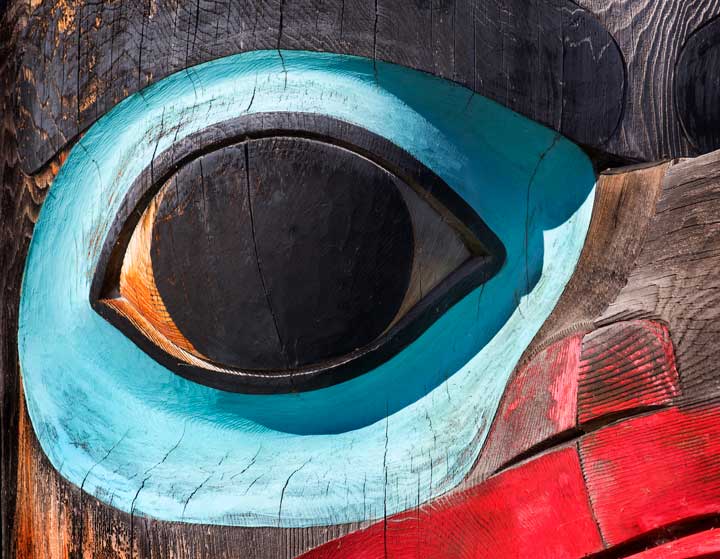
A bioregional approach is far more than a technical planning exercise. It's a cultural challenge, both within and between cultures. What can we learn if we bring an Indigenous eye to a Western scientific endeavor? A BLC brings together the best of Western science with the knowledge and stories of the peoples who know the land best, local First Nations. There is equal respect for each knowledge system as they interact yet remain distinct. This has been called Two-Eyed Seeing.
A BLC draws on Earth System Science, a deeply interdisciplinary field that seeks to understand how our planet – including humans – functions as an integrated whole. It looks at oceanography, atmospheric science, meteorology, geography, geology, hydrology, ecology and environmental science. Everything in the Earth system is connected via complex feedbacks and transfers.
Indigenous knowledge brings a worldview of being in right relationship (with self, others, the land) within Natural Law for a good life. Natural Law is derived from fundamental experiences and observations of the natural world. It offers and explains the relationships, responsibilities, and obligations that all forms of life have to one another.
As we go back and forth between knowledge systems and learn together, the journey offers the sacred gift of humility in respectful, equitable collaboration.
Whole-System
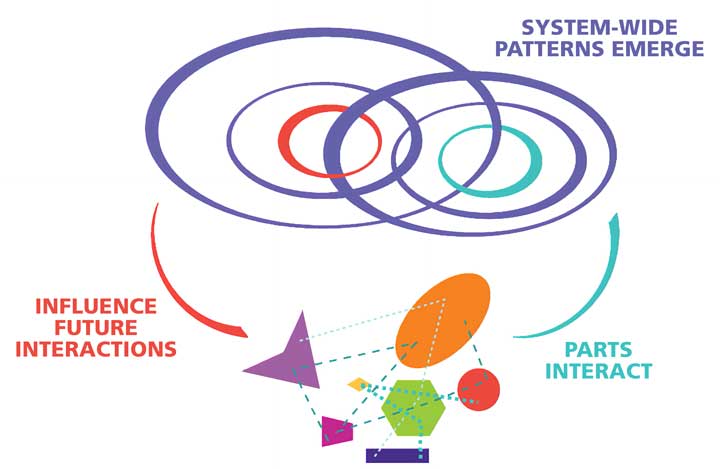
In the real world, where everything is connected to everything else, a BLC connects everything to everything else. It takes a whole-system approach to social and ecological regeneration that centers living systems.
In a whole-system approach, you can't look at economy or ecology or education or agriculture separately. Systems thinker Nora Bateson talks about transcontextuality. Every issue, situation, or phenomenon exists within multiple contexts simultaneously. These contexts are interwoven, each influencing and being influenced by the others. Traditional approaches to understanding a complex reality often fail because they isolate contexts, addressing them separately rather than as one large, interconnected whole. A whole-system approach embraces uncertainty and ambiguity, understanding that there are no easy answers or clear-cut solutions. It's more relational, dynamic, and responsive to the complexities of life – like an ecosystem.
In the Greater Tkaronto Bioregion (GTB), we talk about the whole-system work as growing a Tree of Life, which is one of the most fundamental and robust archetypes across world mythologies and religions.
Earth Regenerators
This is the work of Earth Regenerators, people in service to life. The work is both science and art.
The BLC is usually home to the Core Team in a bioregion (i.e. the group holding the bigger weaving and convening processes in the bioregion).
Donella Meadows talked about the people who would be part of a BLC. They would be "people with excellent minds and tools, but they would not be walled off, as scientific centers so often are, either from the lives of ordinary people or from the realities of political processes. The people in these centers would be at home with farmers, miners, planners, and heads of state and they would be able to both listen to and talk to all of them… They are able to see things as a whole, to look at long-term consequences, and to tell the truth. Above all, the job of these centers is to hold clear and true the context, the values, the ways of thinking, through which development plans proceed."
Joanna Macy told the story of the Shambala Warrior. This story calls us to find, and even to be, a person in deep balance. You need compassion/care – but compassion alone is too hot, it will overcome you. You need to balance that compassion with insight/wisdom to cool it down. Compassion and care balanced with insight and wisdom are the leadership skills we need in a BLC.
Wisdom-in-Action
A BLC exemplifies what Indigenous Peoples call wisdom-in-action.
Wisdom brings together your ability to think, your experience, and your emotional maturity to make good decisions at a personal and societal level. A fundamental human goal, especially in collapse, is to become wiser in living properly in the world (i.e. in right relationship with ourselves, each other, and the living planet). Wisdom-in-action, rather than looking at merely accumulating abstracted knowledge, is a grounded, holistic, relational journey focused on living in harmony with all living systems. It emphasizes that true wisdom is not just what you know, but how you live, lead, and apply your knowledge to benefit your community and the whole living world.
We can find wisdom in our relationship with the land, which provides a blueprint of how to live well and all that is necessary to sustain life.
The land also connects us with spirit. Inspired by Indigenous protocols, we use a design process that uses your hand as a mnemonic, reminding you to connect your spirit to a wise process of interaction that flows around Respect, Connect, Reflect, and only then Direct (take action).
Mapping and Modeling
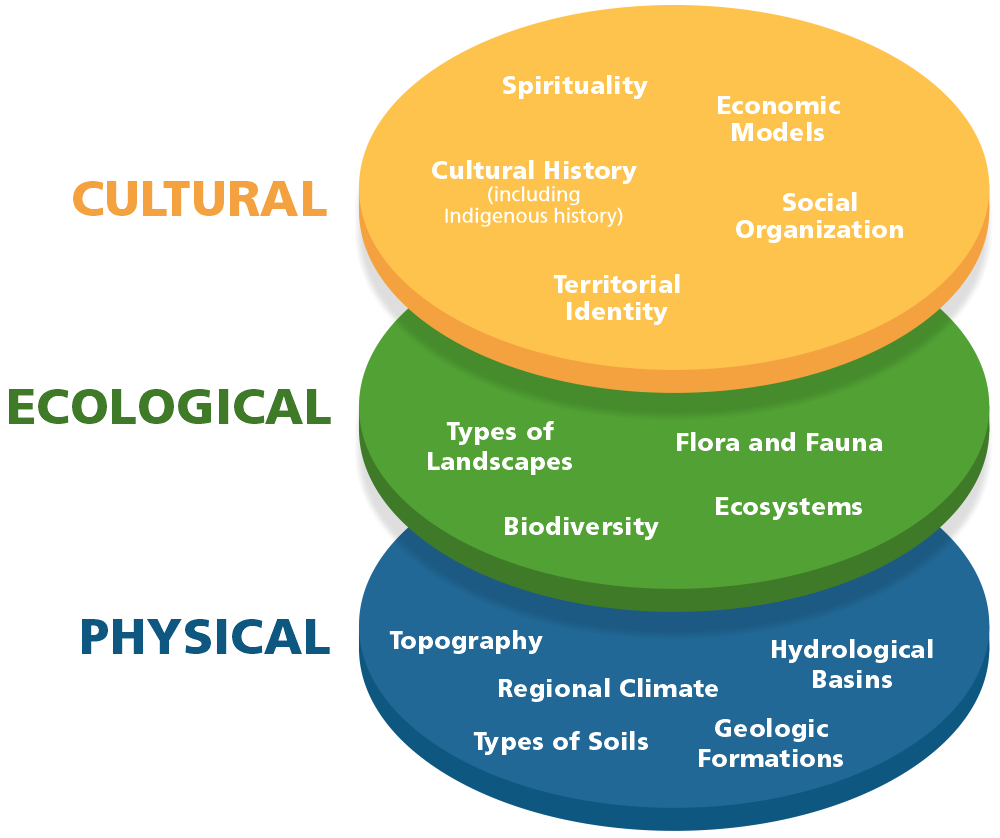
Drawing on both science and art, mapping and modeling lay the knowledge foundation for a BLC. What stories will you tell about the bioregion? How will you tell them? How can you ground them in what's real and relevant? How can you bring them alive to shift the pathway forward?
Bioregional mapping is a good starting point. In the Greater Tkaronto Bioregion, for example, we are pioneering a GeoAI land cover mapping process, with Indigenous and sociocultural layers, as a foundation for analyzing, planning, regenerating, and monitoring across the 3 million hectare bioregion.
Joe Brewer offers an Introduction to Bioregional Mapping as a community and participatory process. The goal is to look at all the different layers and their interactions – physical, ecological, cultural – to gather data and ways of understanding that can support ecopsychosocial wellbeing of all living entities in the bioregion.
Research and Knowledge Building
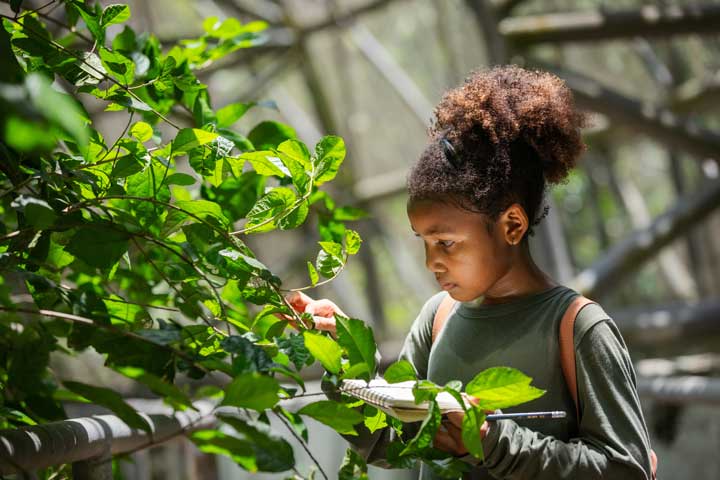
A BLC can create a knowledge commons for understanding the bioregion, from the rivers and soils to the communities and culture to the natural building materials and medicines. That said, especially with Indigenous knowledge, there may be protocols for accessing some sensitive information.
Local universities can be involved in an ongoing process of research, monitoring, and evaluation through participatory design and experimentation. A BLC can also involve all ages of inhabitants through a citizen knowledge/science network to create a living rhythm of knowledge collection and sharing. Everyone has an opportunity to get to know their place more deeply.
Land Skills and Regenerative Practices
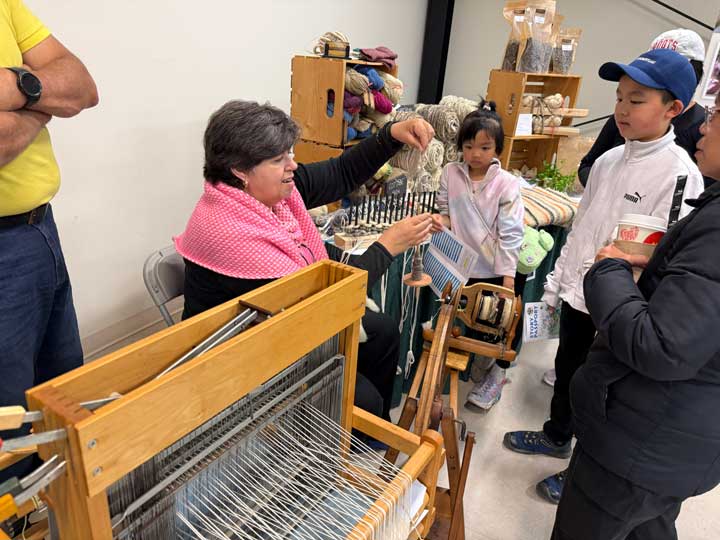
A BLC supports everyone, individually and in groups/organizations, to practice new practices – from learning land skills in schools to regenerative growing on farms. This is especially important for young humans, who are currently losing real-world skills traditionally handed down across generations.
For resilience at the holistic scale of the bioregion, you need groups of people with expertise in things like weaving, woodworking, hedgelaying, land stewardship, foraging, bushcraft, navigation, permaculture, and more. These are not areas generally taught in schools or universities, and yet they may well be the critical skills of the future. A BLC helps coordinate learning opportunities across a bioregion which may be offered by different groups and organizations.
Intergenerational Learning
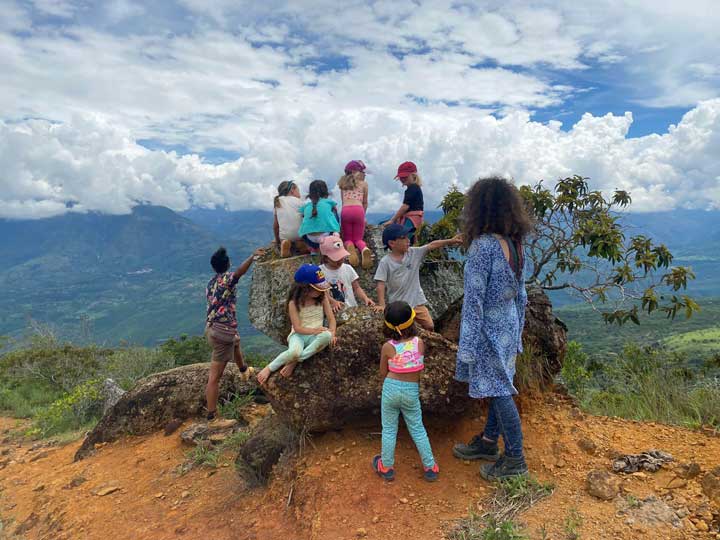
Most educational experiences are age-segregated. A BLC should be intentionally intergenerational, bringing together all ages of "ordinary" people with those in leadership positions. Relationships will grow between generations, grounded in the land.
As systems thinker and educator Nora Bateson points out, "though many say that the future is in the hands of the children, in fact the future lies in the relationship between the generations. What kind of education will they need? And how can we as adults open our minds to thinking in new ways with them? Intergenerational learning is not a new project, it's as ancient as time."
BLCs have a particularly important role in educating children. Our young humans are not learning what they need for a new world. We need to re-imagine education itself. Standardized testing and AI are not supporting vital thinking skills – an ability to work in complexity, to clarify challenges and steps, and to find coherence. Rather than memorization and abstract ideas, we know humans learn best through grounded experience, practice, and participation in social groups. Our young humans need to learn how to be in their place on the planet, in harmony with all life around them. Joe Brewer has spent many years exploring exactly these questions through the living BLC laboratory that is Sueños del Bosque in the Northern Andes.
Storytelling
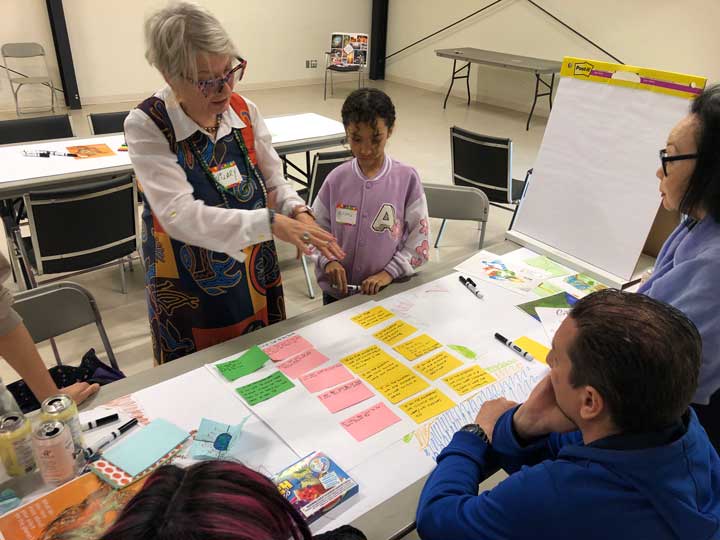
Sharing a bioregional vision and storytelling may be the most important role of a BLC. As a BLC convenes and communicates, it starts to bring alive the story of Bioregional Earth as it relates to a specific place.
The stories you tell is where you find power. Story is the most effective way human beings have to find the right path. Everything human beings create is a story. These stories exist in the context of a bigger Overstory we share over time – the meanings, values, and structures that guide us collectively. Indigenous scholar Tyson Yunkaporta talks about the fact that we're trapped in wrong story, defined as reductionistic "unilateral or unbalanced ritual, word and thought." It's the overly left-brained, narrow way of attending to the world and being in it that neuroscientist Iain McGilchrist discusses with nuance. If our Overstory is wrong story, then everything we create is wrong story, and we are both trapped and inevitably thwarted by it. Over the last fifty years, we've walked far down the path of wrong story.
If a particular society's cultural world – the dreams that have guided it to a certain point – become dysfunctional, the society must go back and dream again. We must reinvent the human… by means of story and shared experience.
— Thomas Berry, cultural historian
In the context of a polycrisis which is, for the first time in humanity's history, planetary-wide, we need grounded regenerative local action within a strategic large-scale framework . It can't be disconnected activities that you hope will somehow magically coalesce into something meaningful. There needs to be a coherent, large-scale, strategic story with enough people playing their role in that story. That's the story of Bioregional Earth, anchored locally through BLCs.
The BLC is a vital structure with a number of important roles in a changing and uncertain world. Working with a bioregional Core Team, the anchor role of the BLC supports the two other parts of a bioregional funding ecosystem: a Portfolio of Projects and Funding & Governance. If a BLC is the first piece you want to put in place, governance is the last. It's important to note here that a BLC shouldn't necessarily lead or impose governance. Governance needs to emerge at the right time from the people and context, in right relationship with the land. We can learn much from the experience of Indigenous Peoples around creating robust governance.
1,000 BLCs by 2035
Unlike the dandelion, we as human beings can learn the patterns for how ecology gives rise to holistic systemic patterns at the bioregional scale. We can weave and integrate the cultural and ecological heritage of each life place through coordinated efforts. Contrary to what we read in the headlines, humans are actually really good at cooperating. Just look at how many millions of us can peacefully reside together in modern-day cities. Or look at our capacities to create complex technological innovations through shared management frameworks.
Our approach through the Dandelion Strategy is to focus flows of time, energy, and funding into a planetary network of BLCs. We're seeding as many of them as we can, pooling and distributing resources locally for social and ecological regeneration. We also need to aggregate and flow resources across the network, to support learning exchanges and improve resilience at the structural level of the planetary network.
We can cluster regional networks geographically – like a local network of BLCs in the Great Lakes Basin in North America or around the Mediterranean Sea – so that learning and mutual aid can flow horizontally as well as vertically across local to regional and up to planetary scales.

Now you can begin to see the power of this strategy. We lean into a design pathway for regenerating the entire planet by creating robustness within and across a diversity of local efforts because we don't know which specific places are going to make it through to the other side of collapse.
Between now and 2035, we want to seed 1,000 BLCs into the world. Let them emerge everywhere. Support them to weave into regional networks. In this way, we create translocal robustness and transformative potential, while dispersing resources far and wide to see what is able to grow.
Why 1,000? The general estimate is that there are somewhere between 500 and 2,000 bioregions on Earth. Estimates vary because each bioregional identity needs to emerge from the local people who live within the natural contours of culture and ecology that define their place. No outsider can map it from afar because that would just replicate the patterns of thinking we have now rather than reconnecting us with the living Earth.
Here's a webinar excerpt from Joe Brewer explaining the Dandelion Strategy for 1,000 BLCs.
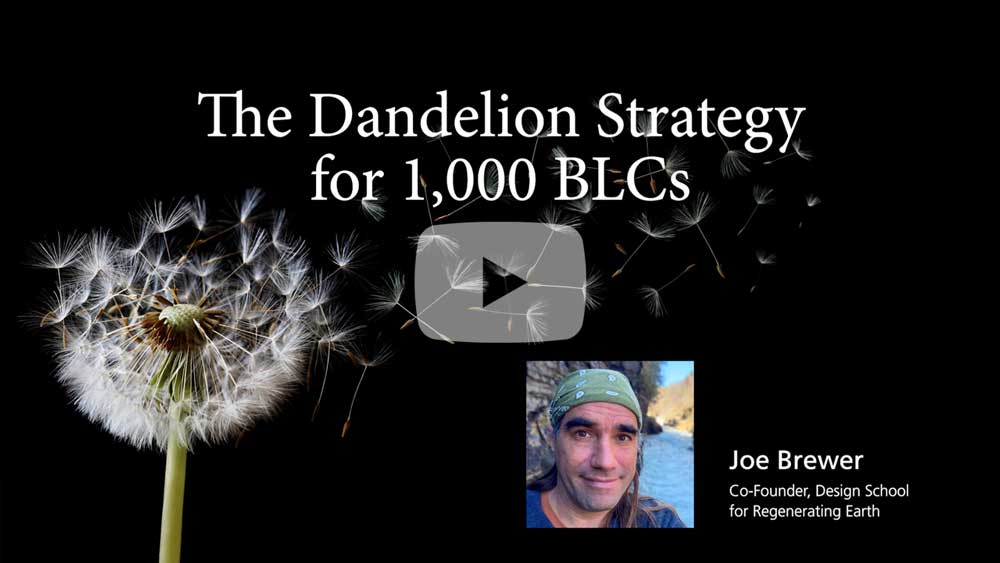
We have precious little time to implement the Dandelion Strategy, along with the Ripple Strategy. Members of the Design School for Regenerating Earth have already started creating their own BLCs in places as diverse as the Great Lakes, Colorado Basin, Mississippi Basin, Northern Andes, Mediterranean, and the North Sea. Perhaps you will become a creator of one where you live? Or learn alongside those who do the heavy lifting and support their efforts? Perhaps you'll be a donor to provide vital financial support? All are welcome.
Dandelion Wisdom
When you're feeling existential, think of dandelions. As you speak your words into what might seem like the wind, you really don't know where they'll go. In the same way, we don't know who will see this page and be moved to act by it. Sometimes an idea in the wind takes root in places we think are impossible for anything to grow, persisting against the odds, nourishing the life around them.
The interesting thing about dandelions is that the flower has to die to change into seed. As the flowers die, one dandelion makes thousands of new flowers. In a dying world, there's something life-affirming in that fact.
And finally, as the world gets scarier, it's tempting to bury your head and think only of "saving yourself." As the proverbial plane is about to crash, we need to not only put on our own oxygen mask and help the person beside us with theirs, but we also need to try to help land the plane as safely as possible. We hear the wealthy are building bunkers. Instead of bunkers, let's build BLCs.
Join us.